
Life is all about balance. Everything in this world operates only when there is a balance. The same theory applies to our bodies too. The body will work perfectly fine until there is balance in an external and internal environment. Similarly, the body is disease-free if there is bacterial balance in the gut. There has to be a perfect balance between good and bad microbes in the gut. Here is an overview of gut microbial dysbiosis, the causes, tests, symptoms, and treatment.
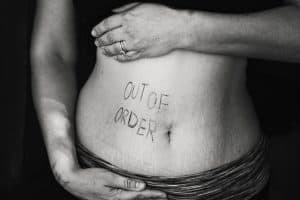
Table of Contents
Gut Microbial Dysbiosis
What is the Meaning Of Disbyosis
Dysbiosis is an imbalance in bacterial composition, changes in bacterial metabolic activities, or changes in bacterial distribution within the gut.
Imbalance in Gut Microbes
Our body is colonized with many microbes that help with regular bodily functions. The imbalance of microbes in any area can lead to some disorders in the body. The imbalance in the gut microbe is known as gut microbial dysbiosis. These microbes can be bacteria, viruses, fungi, and proteases. Gut dysbiosis leads to various inflammatory disorders like (IBS) inflammatory bowel disease, or autoimmune disorders like Type 1 diabetes, Rheumatoid arthritis, or multiple sclerosis. The extent of dysbiosis decides if the disorder is mild, moderate, or severe. A normal stomach upset is a mild dysbiosis, which does not require any treatment. If it turns a bit severe then you need medication to treat dysbiosis.
Three types of Dysbiosis
- Type 1: Type 1 gut dysbiosis is caused when you lose good bacteria from the gut
- Type 2: There is an uncontrolled increase in harmful bacteria in your stomach
- Type 3: This happens when you tend to lose overall gut microbes via diarrhea
Symptoms of Gut Microbial Dysbiosis
- Bad breath
- Hyperacidity
- Heartburn
- Stomach upset
- Nausea
- Diarrhea
- Bloating
- Fatigue
These are the basic symptoms of gut dysbiosis. If not treated, the symptoms may develop into gastric illness like
- Irritable bowel syndrome
- Colitis
- Celiac disease
- Leaky gut syndrome
- PCOS
- Diabetes mellitus
- Eczema
- Colon or rectum cancer
Causes of Gut Microbial Dysbiosis
- Genetics
- Immunocompromised health status
- Chronic stress and anxiety
- Chronic inflammation
- Wrong eating habits
- Certain medicines
- Low personal hygiene
- Consumption of unwashed fruits and vegetables
- Poor dental hygiene
Tests to analyze Gut Microbial Dysbiosis
- Urine test: Urine is tested for certain organic acids produced by bacteria. Any abnormal reading indicates there is gut dysbiosis.
- Stool test: The comprehensive digestive stool analysis test finds abnormality in the stool. The stool is tested for bacteria, fungi, or viruses. A positive result shows microbial infestation in the gut leading to dysbiosis.
- Hydrogen breath test: The patient is made to drink a sugar solution and breathe into a balloon. The high or low amounts of certain gases indicate gut dysbiosis. This test is specifically done to check for any imbalance in the small intestines.
Treatment of Gut Microbial Dysbiosis
- Medication: Antibiotics are prescribed to kill harmful bacteria and restore the gut microbial balance. Medication is also suggested to treat the root cause of gut dysbiosis as well as to prevent further imbalance.
- Dietary intervention: The food you eat is responsible for the microbes that grow in your gut, which also help in the digestion of food. The diet can change the intestinal microbes within a few hours. The macronutrient content of the food decides the gut microflora. A diet rich in plant proteins, complex carbohydrates, fiber, and unsaturated fats helps the growth of beneficial microbes. Whereas, a diet rich in animal protein, saturated fats, and refined carbohydrates leads to the growth of harmful microbes.
Gut Microbial Dysbiosis and Diet
Foods to Improve Gut Microbial Dysbiosis
Complex carbohydrates
Carbohydrates with low GI not only controls insulin and blood glucose levels but also reduce gut inflammation. These promote the growth of beneficial microbes in the intestine and prevent gut dysbiosis. Include complex carbohydrates like whole grain cereal flour, millet, oats, barley, quinoa, whole fruits, and vegetables.
Fiber-rich diet
Fiber favors the growth of beneficial bacteria in the intestines. It acts as a prebiotic agent for the formation of beneficial bacteria. Include whole grain cereals like oats, barley, quinoa, millets, whole fruits and vegetables, unstrained juices, as well as soups. Raw banana has a lot of resistant starch which behaves like soluble fiber in the gut and has a prebiotic effect.
Plant protein
A plant protein is easy to digest, does not leave behind harmful residue of byproducts, and also acts as a prebiotic agent. Balance the animal protein and plant protein intake in your daily diet. Include dals, pulses, sprouts, soy and products, nuts, and seeds.
Prebiotics and probiotics
The fermented foods act as prebiotics for your gut. Prebiotics create a favored environment for beneficial bacteria. Include foods like kefir, miso, sprouts, sauerkraut, kimchi and tempeh. The curd and yogurt are rich in probiotics. You can replace your milk and products with curd, yogurt, or probiotic drinks. Probiotics already have beneficial bacteria that upon ingestion help to balance the gut microflora
Nuts and seeds
Nuts and seeds are rich in proteins, fiber, and unsaturated fats. They help to reduce gut inflammation and thereby treat gut dysbiosis. Include walnuts, almonds, brazil nuts, pumpkin seeds, sunflower seeds, flaxseeds, chia seeds, and sesame seeds.
Foods to Avoid in Gut Microbial Dysbiosis
Animal protein
A high animal protein load is difficult to digest. The undigested protein leads to bloating and the formation of harmful products that lead to gut dysbiosis. It can also lead to cancer with prolonged exposure. Avoid frequent eating of red meat, organ meat, and packaged meat. You can wisely select milk and its products, poultry, and fish with any expert guidance.
Refined carbohydrates
Refined carbohydrates increase gut inflammation and promote gut dysbiosis. Avoid refined flour, table sugar, desserts, bakery products, and packaged foods.
Alcohol
Alcohol can become a gut lining irritant leading to gut inflammation.
Gut Microbial Dysbiosis Diet Plan
Here is a sample of the gut microbial dysbiosis diet plan.
Early morning: 1 tsp soaked chia seeds with 1 glass of water
Breakfast: Oats and nuts smoothie with curd and 1/2 unripe banana
Mid-morning: 1 fistful Protein trail mix (walnuts, almonds, pumpkin seeds, sunflower seeds, sesame seeds, defatted roasted soy, and flaxseeds)
Lunch: 1 cup Green Salad with kimchi + 1 Medium Jowar Roti + 1 cup Vegetable + 1 cup Sprouts or dal + 1 Glass Buttermilk
Snack: 1 Fruit (100 – 150 gms) + 1 cup yogurt/curd
Dinner: Quinoa / foxtail millet khichadi + kadhi OR tofu and vegetables Salad + 2 Chapati + 1 cup Vegetable + 1 cup Curd
Bedtime: 1 cup warm water
End note
What you eat has a major impact on your gut health. Clean healthy eating helps to maintain the gut microflora and prevent Gut microbial dysbiosis. It is best to go ahead with such a diet under the guidance of a certified professional to avoid any nutritional deficiencies. for a personal diet plan, you can email us at care@dietburrp.com.








 Chin Hair in women ( Causes, How to Remove )
Comment Policy:
We are glad you have chosen to leave a comment. We wish to inform you that the comments are moderated to avoid obscenity. Sometimes , we might take around 3 to 4 days to get back to you with the reply